


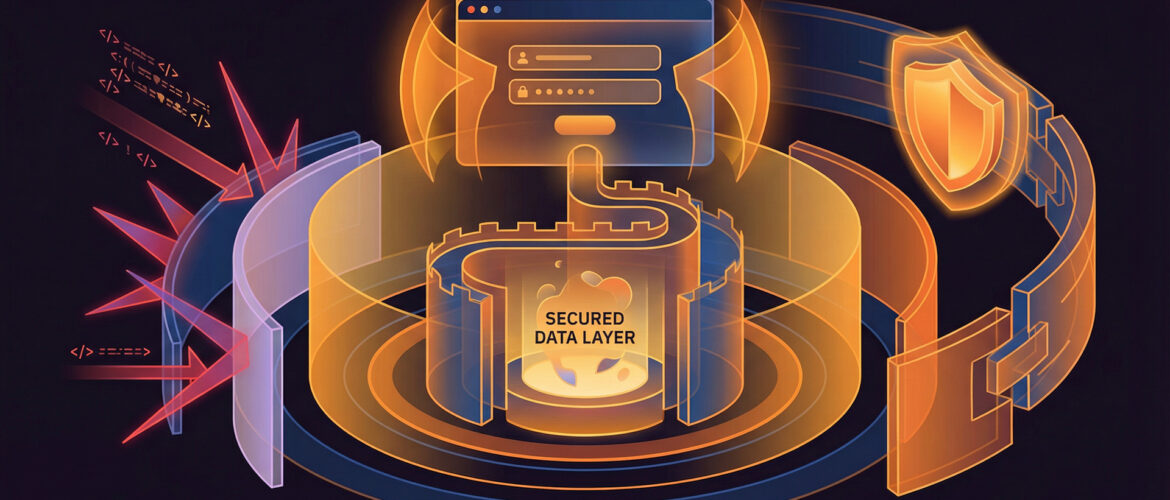
WordPress is the most widely used content management system in the world. Its flexibility, extensive plugin ecosystem, and user-friendly interface make it a popular choice for corporate websites and e-commerce platforms alike. However, widespread adoption also brings security risks. Among the most common threats to WordPress websites are script injection (XSS) and SQL injection attacks.
Script injection, commonly referred to as Cross-Site Scripting (XSS), occurs when a malicious user injects harmful JavaScript code into a website. If input fields are not properly sanitized, this code can execute in other users’ browsers. As a result, session data may be stolen, users may be redirected to phishing pages, or site content may be manipulated.
To reduce XSS risk in WordPress, proper data validation and sanitization are essential. All user inputs should be sanitized, and outputs should be escaped before rendering. WordPress provides built-in functions such as sanitize_text_field(), esc_html(), and wp_kses() to handle this securely. Developers creating custom themes or plugins must use these functions correctly.
Form security is another critical area. Comment forms, contact forms, and custom input fields are common entry points for attackers. Using secure plugins and implementing additional verification mechanisms like reCAPTCHA significantly reduces risk.
SQL injection targets the database layer. Attackers attempt to execute malicious SQL queries through improperly filtered input fields. If queries are built directly from user input, databases can be manipulated, data can be deleted, or sensitive information can be exposed.
The most effective way to prevent SQL injection in WordPress is by using prepared statements. The $wpdb class includes the prepare() function, which ensures queries are safely executed. User input should never be directly inserted into SQL statements.
Security must also be addressed at the infrastructure level. Keeping WordPress core, themes, and plugins updated is critical. Outdated plugins often contain known vulnerabilities that attackers exploit.
Using a Web Application Firewall (WAF) adds another layer of protection. A WAF can block brute-force and injection attempts before they reach the application layer. Secure hosting infrastructure, SSL certificates, and regular backup policies are also essential components of a secure setup.
Admin panel security should not be overlooked. Avoid using the default admin username, enable two-factor authentication, and limit login attempts. These simple measures prevent many common attacks.
In conclusion, securing a WordPress website is not just about installing security plugins. Preventing script injection and SQL injection requires secure coding practices, proper data validation, prepared statements, regular updates, firewall integration, and strict access control. Security is not a one-time setup; it is an ongoing process. A robust WordPress infrastructure invests in security as much as it invests in performance.